
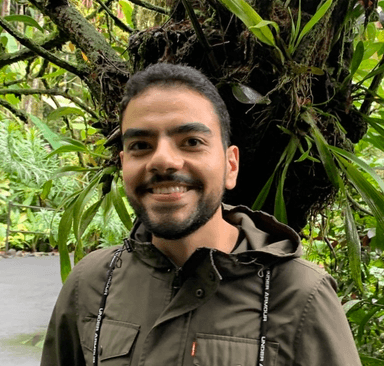
Hi, I'm Asal
San Francisco Bay Area
I'm building the privacy calendar I couldn't find anywhere else - for people who care about privacy and a good experience.
How I got here
Like most people, I used to assume Big Tech security teams had everything under control, that privacy policies were taken seriously, and that policy violations were one-off incidents. Then came the WhatsApp privacy controversy in 2021, and it was a wake-up call: not all user data, mine included, is treated the way I'd always assumed.
That sent me down the privacy rabbit hole. Ultrasonic cross-device tracking, shadow profiles, personal data driving up insurance premiums, the “nothing to hide” argument... I got excited about privacy. No, obsessed is the right word. Privacy felt deeply personal, the security engineering behind it fascinated me, and I was hooked.
The obsession went too far. I was spending all my free time protecting every scrap of data I could. That app collecting location metadata? Nope nope nope. It was exhausting. My email was already everywhere. Data brokers had my info. Targeted ads followed me around the internet. Then I learned about browser fingerprinting and how sophisticated tracking is. It felt like a game I couldn't win.
Then I came across threat modeling, and it was the perspective shift I needed. I don't need to protect all my data from everyone, everywhere, immediately. I get to decide what matters. Some data I'm relaxed about - I don't mind a company knowing I play chess and I'm not exactly a grandmaster. But calendar data? That's different. My calendar knows what I do, who I meet, how often, where, and more. I don't want that mined for AI training or sold to advertisers to serve me “better” ads.
So I went looking for a privacy-respecting calendar. The options were... not great. Clunky apps with encrypted sync but missing basic features. Abandoned projects. Self-hosting setups that felt like a second job. Vague privacy policies I couldn't trust. I ended up using a popular privacy calendar, but missing features, slow development, and a clunky experience left me wanting something better - and I wasn't alone in that.
Building NimbleCal
I've had the itch to work for myself for as long as I can remember. After 12+ years building infrastructure at scale - including leading engineering teams at Twitter - I finally went full-time on something I cared about: a privacy calendar that doesn't make you fight to schedule an event while you're on a hike, off the grid.
I underestimated how hard it would be. Making sure your events sync across devices when they're fully encrypted, that everything works offline and catches up seamlessly - that's genuinely hard, and worth getting right.
Why no VC funding
NimbleCal is entirely self-funded, and that's intentional. Most VCs push for growth in ways that conflict with respecting user data. I won't sell or monetize user data, because I value privacy as a deep human need. That's why end-to-end encryption was the non-negotiable foundation. You can't monetize data you can't decrypt.
The trade-off: I can't offer a generous free tier and stay sustainable. What's the point of a great privacy product if it disappears in six months? If the subscription price doesn't work for you, I get it. What it pays for is a calendar that feels good to use, has zero incentive to touch your data, and is here to stay.
Cheers,
Asal
P.S. Yes, I'm still no grandmaster.
Get in touch
No ticket queues, no canned replies. It's just me, and that's the point.
For support or security, reach out here.